Hotel Tibet
Hotel Tibet, a family-run boutique hotel that have blended traditional Tibetan designs with a touch of modern simplicity.

Trekking and Hiking

Duration
18 Days Trip
Meals
17B, 18L, 17D
Start Point
Kathmandu
End Point
Kathmandu
Style
Guided Trekking Adventure
Max. Altitude
5,545 m at Kala Patthar
Trip Grade
Challenging to Strenous
Lodging
Teahouses (Mountain Lodges), Hotels in KathmanduThe Everest Gokyo – Cho La Pass – EBC Trek is one of the most scenic and adventurous routes in the Everest region, combining the turquoise lakes of Gokyo, the dramatic glacier crossing of the Cho La Pass, and the iconic journey to Everest Base Camp (5,364 m). This trail offers a perfect blend of cultural immersion, high-altitude adventure, and some of the most breathtaking mountain views in the Himalayas.
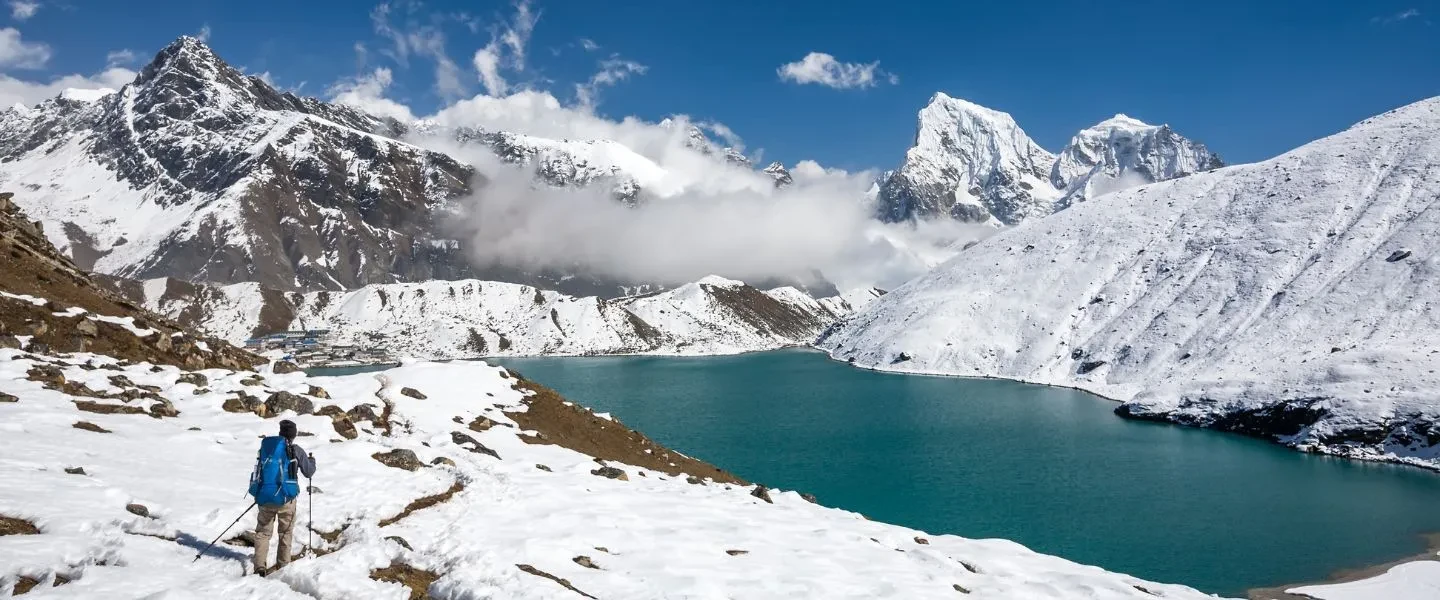
The trek begins with a scenic mountain flight to Lukla, followed by a gradual ascent through Sherpa villages such as Phakding, Namche, Dole, and Machhermo. The Gokyo Valley welcomes trekkers with its stunning series of blue lakes and the famous viewpoint of Gokyo Ri (5,357 m), which offers one of the best panoramas in the Everest region, including Mt. Everest, Lhotse, Makalu, and Cho Oyu.
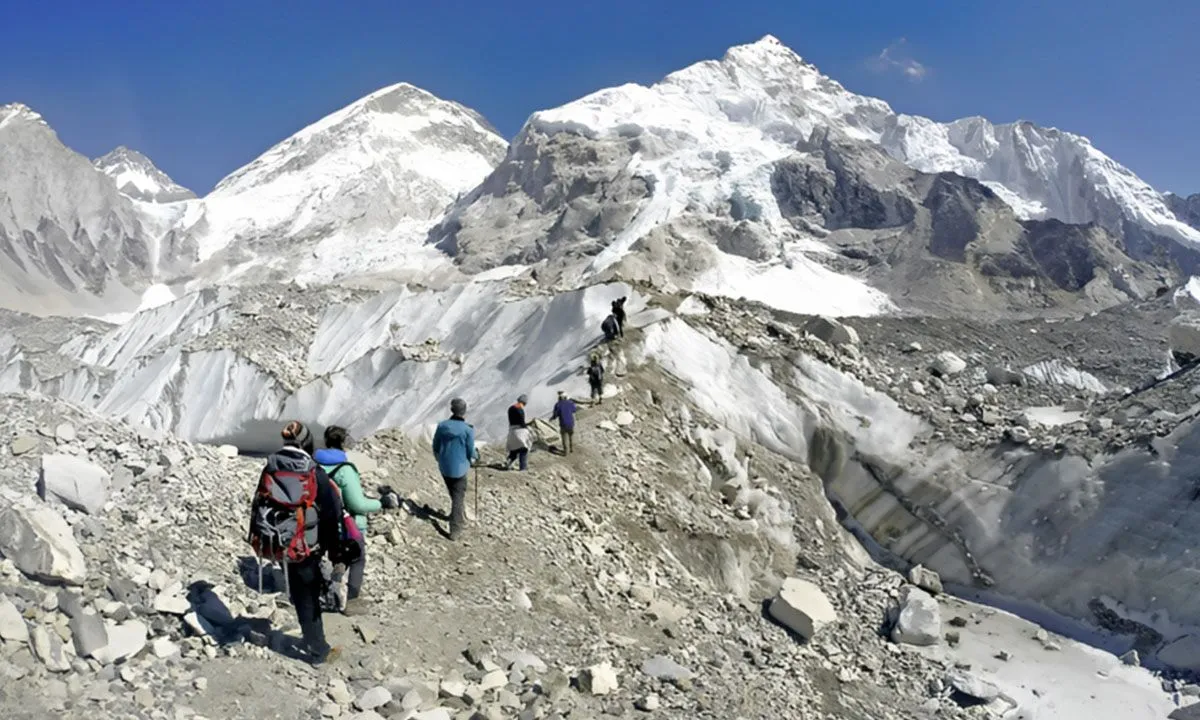
From Gokyo, the trail turns eastward to the challenging Cho La Pass (5,420 m)—a high and steep glacier crossing that connects the Gokyo Valley to the Khumbu region. After crossing the pass, trekkers rejoin the classic Everest trail and proceed towards Lobuche, Gorakshep, and finally reach Everest Base Camp. An early morning hike up Kala Patthar (5,545 m) rewards trekkers with the most iconic sunrise view of Everest.
The return journey descends through Pheriche, Pangboche, Tengboche, and Namche Bazaar, offering cultural visits to historic monasteries and lively Sherpa communities.
Why This Trek is Special
This route provides two major viewpoints—Gokyo Ri and Kala Patthar—plus a high pass and a visit to Everest Base Camp. It is more scenic, less crowded in many sections, and offers richer variations than the classic EBC trek. It combines glaciers, lakes, dramatic passes, Sherpa culture, and world-class mountain scenery into one unforgettable journey.
You will arrive at the Tribhuvan International Airport, Kathmandu, Nepal. Once you arrive, our representative will be holding cards with your name to welcome you and drive you to the hotel.
Upon reaching the hotel, you will get refreshed and rest. Or you can explore Thamel, the liveliest area in Kathmandu. Also, ensure all the needed gear is ready.
Overnight in Kathmandu.
Max. Altitude
1,350 m
Overnight
KathmanduToday, your day will start with the thrilling flight to Lukla from Kathmandu. The flight is in the air for 30 minutes, and once you land, you will meet the rest of the team. If you need to buy some items, then you can buy them there, and then we will march to Phakding. The trek from Lukla begins after a scenic mountain flight, following a gentle downhill trail through picturesque Sherpa villages, pine forests, and along the Dudh Koshi River. Trekkers pass mani walls, prayer wheels, and suspension bridges while enjoying their first views of the Khumbu region. The walk is easy and helps with acclimatization as the trail leads to Phakding or slightly farther to Monjo, where cozy tea houses, riverside scenery, and warm Sherpa hospitality make for a comfortable first night on the Everest trail.
Max. Altitude
2,860m
Overnight
Phakding / Monjo
Duration
4-5 hrs.After breakfast, we will trek to Namche Bazaar, also known as the Gateway to Everest, situated at an altitude of 3440m, which is one of the top destinations in this region. The trek to Namche Bazaar is not that difficult, and the trail is rocky but beautiful too, as you will start seeing the Himalayas. Your trek starts with climbing uphill, crossing several suspension bridges over the Dudh Koshi River. Then, you will reach the Monjo village.
From Monjo village, we continue our trek and pass the rhododendron forest, and we will arrive at the Sagarmatha National Conservation Area’s entrance. Here you will do some paperwork, and then continue with the walk. By evening, we will reach Namche Bazaar.
Once we reach Namche Bazar, you will be greeted by the awe-inspiring sight of Mount Everest standing tall in the distance.
Overnight in Namche Bazaar.
Max. Altitude
3,440 m
Overnight
Namche Bazaar
Duration
5-6 hrs.Today, we will acclimatize in Namche, visit the village, and enjoy the breathtaking views of the Himalayas. After breakfast, we will hike to the Everest View Hotel (3,860m), the highest hotel in the Sagarmatha National Park. Also, there is a Khumjung village where you can go for a hike instead of the Everest View Hotel.
Returning from the hotel, we will then explore the Namche market. There is a Sherpa Museum situated above the village off the Tengboche trail. You will visit this museum, where you will witness the “Hall of Fame” gallery that includes the photos of the Everest summiteers, including Edmund Hillary and Tenzing Sherpa.
Overnight in Namche Bazaar.
Max. Altitude
3,880 m
Overnight
Namche Bazaar
Duration
3-4 hrs.The trek from Namche to Phortse Tenga begins with a scenic contouring trail that offers sweeping views of Ama Dablam, Thamserku, and the Tengboche ridge as you walk toward Kyangjuma. After enjoying these panoramic viewpoints, the path gradually descends through tranquil rhododendron, juniper, and pine forests, where you may spot musk deer, Himalayan thars, and colorful pheasants along the way. The final stretch follows the soothing sound of the Dudh Koshi River, leading you to the quiet riverside settlement of Phortse Tenga. The day combines open mountain vistas, peaceful forest walking, and a calm natural environment, making it a beautiful transition toward the higher valleys.
Max. Altitude
3,680 m
Overnight
Phortse Tenga
Duration
5-6 hrs.The climb from Phortse Tenga to Dole begins with a steady ascent through peaceful rhododendron and birch forests before the landscape gradually opens into juniper and alpine scrub. As you gain altitude, sweeping views of Kangtega, Thamserku, and the rising peaks of the Gokyo Valley unfold behind you. The trail is quieter and less crowded, offering a serene atmosphere as you ascend above the tree line. The final stretch toward Dole brings cool mountain air, wider horizons, and the first real sense of entering the high alpine region. Dole itself is a small, tranquil hamlet perched on open slopes, perfect for rest, acclimatization, and enjoying the expansive views of the surrounding mountains.
Max. Altitude
4,110 m
Overnight
Dole
Duration
5 hrs.The trek from Dole to Machhermo is a gradual ascent through open alpine terrain, offering stunning views of Cho La, Gokyo Ri, and the surrounding snow-capped peaks. The path winds across grassy slopes and rocky sections, occasionally passing small yak pastures and seasonal herder huts. As the altitude increases, the air becomes crisper and the landscapes more rugged, signaling your entry into the high Himalayas. Machhermo is a small settlement set on a gentle slope, providing a peaceful spot to rest, acclimatize, and enjoy panoramic views of Cho Oyu and the surrounding mountain ranges. The quiet, serene environment makes it an ideal stop before heading further into the high-altitude valleys.
Max. Altitude
4,470 m
Overnight
Machhermo
Duration
4-5 hrs.The acclimatization day at Machhermo allows trekkers to adjust to the increasing altitude while enjoying the breathtaking Himalayan surroundings. A short hike above the village provides closer views of Cho Oyu, the Ngozumpa Glacier, and the expansive mountain valleys, helping the body adapt to thinner air. The day also offers time to relax, explore the small settlement, interact with local residents, and appreciate the quiet alpine environment. Gentle walks, photography, and simply soaking in the panoramic vistas make this day both restful and rewarding, preparing trekkers for the challenging journey ahead toward Gokyo and the high passes.
Max. Altitude
4,650 m
Overnight
Machhermo
Duration
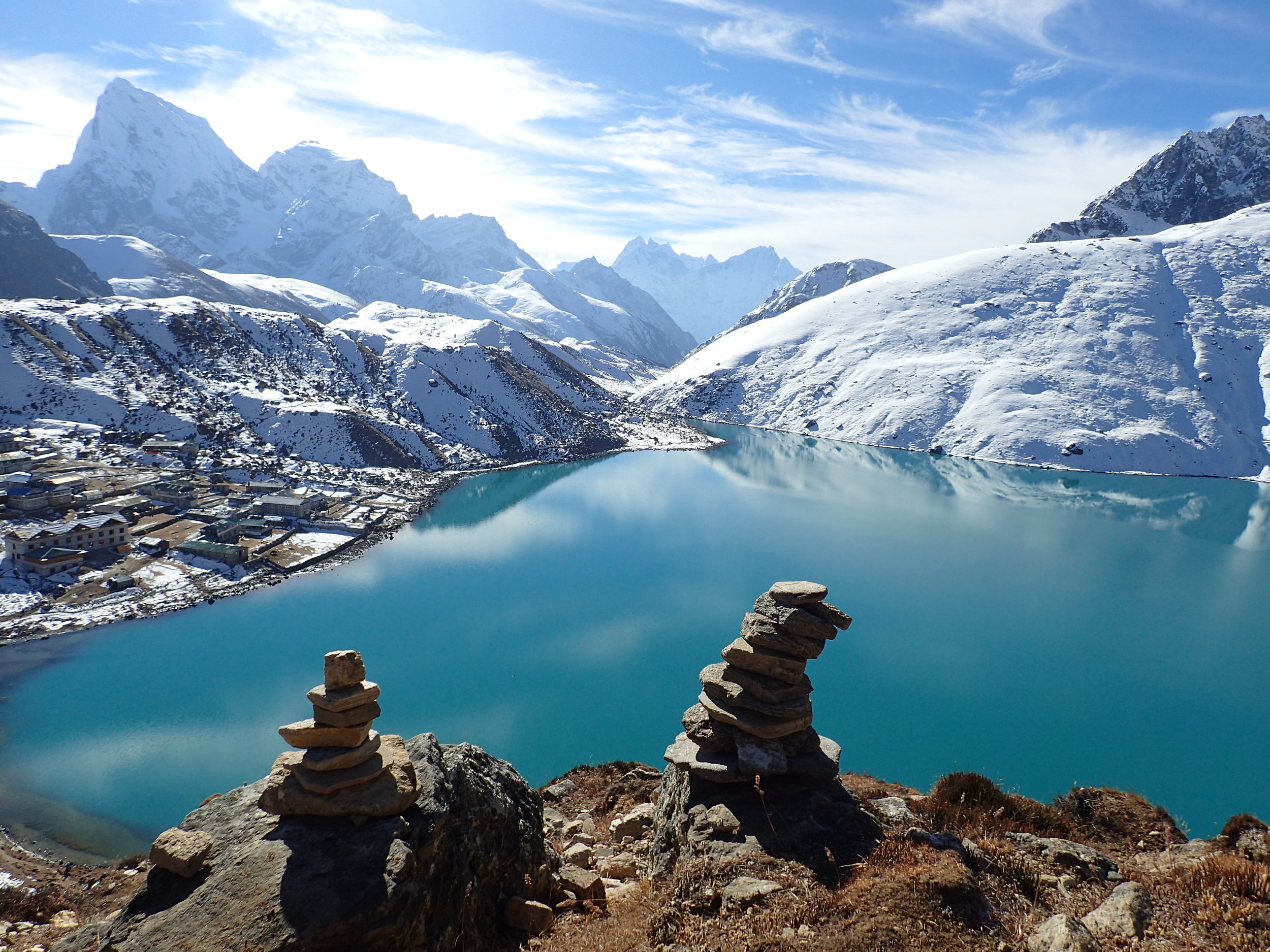
3 hrs.The trek from Machhermo to Gokyo is a stunning journey through the high alpine terrain of the Everest region. The trail gradually ascends along the lateral moraine of the Ngozumpa Glacier, offering spectacular views of Cho Oyu, Gyachung Kang, and the surrounding peaks. Trekkers pass yak pastures, icy streams, and rugged rock formations before arriving at the serene Gokyo village, set beside the turquoise Gokyo Lakes. The village provides a peaceful spot to rest and soak in the beauty of the high Himalayas, with clear views of the mountains and reflections on the lake—an ideal location for photography and acclimatization before attempting Gokyo Ri or continuing toward Cho La Pass.
Max. Altitude
4,790 m
Overnight
Gokyo
Duration
4-5 hrs.From Gokyo village, trekkers make an early morning ascent to Gokyo Ri (5,357 m), a steep but rewarding climb that offers one of the most breathtaking panoramic views in the Everest region, including Mt. Everest, Lhotse, Makalu, and Cho Oyu. The trail passes rocky ridges and glacial moraine, with the turquoise Gokyo Lakes visible below. After reaching the summit and enjoying the spectacular vistas, trekkers descend back to Gokyo for rest. The afternoon is spent relaxing, acclimatizing, and exploring the peaceful lakeside village, soaking in the serene alpine environment while preparing for the next day’s journey toward Cho La Pass.
Max. Altitude
5,357 m
Overnight
Gokyo
Duration
4-5 hrs.The trek from Gokyo to Thangnak takes you along the edge of the vast Ngozumpa Glacier, the largest glacier in the Khumbu region, offering breathtaking views of the surrounding peaks, including Cho Oyu, Gyachung Kang, and the Cho La Pass ridges. The trail winds across rocky moraine, open alpine meadows, and occasional yak pastures, providing both gentle ascents and short descents that allow for gradual acclimatization. Along the way, trekkers experience a sense of solitude in the high mountains, with panoramic views of the glacier flowing below and the turquoise Gokyo Lakes receding into the distance. Thangnak itself is a small, quiet settlement perched on a high slope, offering a peaceful place to rest, acclimatize, and enjoy sweeping vistas of the Himalayan panorama, making it an ideal stop before the challenging Cho La Pass.
Max. Altitude
4,700 m
Overnight
Thangnak
Duration
4 hrs.The trek from Thangnak to Dzongla is one of the most challenging and rewarding sections of the Everest Gokyo trek, as it involves crossing the high Cho La Pass (5,420 m). The journey begins with a steep ascent from Thangnak, gradually climbing rocky moraines and snow patches toward the pass, offering spectacular panoramic views of Cho Oyu, Gokyo Ri, and the surrounding peaks. At the summit, trekkers are rewarded with a dramatic vantage point over the Khumbu Glacier and the high Himalayan landscape. After the exhilarating pass crossing, the trail descends steeply into the valley toward Dzongla (4,830 m), passing icy slopes, scattered rocks, and glacial streams. Dzongla is a small, tranquil settlement that provides a welcome rest after the demanding pass, with sweeping views of the high mountains and the surrounding alpine terrain.
Max. Altitude
5,420 m at Cho La Pass
Overnight
Dzongla
Duration
7-8 hrs.The trek from Dzongla to Gorakshep is a mix of gradual ascents and gentle descents along the high alpine terrain, following the edge of the Khumbu Glacier. The trail passes rocky moraines, glacial streams, and scattered yak pastures, with breathtaking views of Pumori, Lingtren, and Nuptse along the way. As trekkers approach Gorakshep (5,164 m), the landscape becomes more rugged and glacial, signaling the gateway to Everest Base Camp. Gorakshep, a small moraine settlement, provides rest, accommodation, and stunning panoramic views of the surrounding Himalayan peaks, making it the perfect base for acclimatization and early morning excursions to Kala Patthar or Everest Base Camp.
Max. Altitude
5,164 m
Overnight
Gorakshep
Duration
5-6 hrs.From Gorakshep, trekkers begin an early morning hike to Everest Base Camp (5,364 m), crossing rocky moraine trails along the Khumbu Glacier. The ascent is moderate but at high altitude, rewarding trekkers with spectacular, close-up views of Mount Everest, Lhotse, Nuptse, and Pumori, as well as the intricate icefalls, seracs, and crevasses of the glacier below. Time at Base Camp allows for photography, reflection, and soaking in the magnitude of the Himalayas. Afterward, the trail is retraced to Gorakshep before beginning the long descent down the valley through Lobuche, Duglha, and Thukla, passing glacial moraines, alpine streams, and small high-altitude settlements along the way. The journey ends in Pheriche (4,280 m), a tranquil village set in a wide Himalayan valley. Here, trekkers can rest, recover, and enjoy the serene alpine environment, with distant views of snow-capped peaks and the comforting warmth of local tea houses providing a welcome respite after the challenging journey to Everest Base Camp.
Max. Altitude
5,364 m at EBC
Overnight
Pheriche
Duration
7-8 hrs.The trek from Pheriche to Namche Bazaar is a long but rewarding descent through the heart of the Khumbu region. The trail winds along the valley, passing through Dughla, Thukla, and Lobuche, offering spectacular views of snow-capped peaks like Ama Dablam, Nuptse, and Thamserku. Trekkers follow glacial moraines, cross suspension bridges, and walk through scattered alpine villages while gradually losing altitude, giving the body a chance to recover from higher elevations. Along the way, one can observe the daily life of Sherpa communities, yak pastures, and prayer wheels lining the trails. The day concludes in the bustling town of Namche Bazaar (3,440 m), the cultural and commercial hub of the Khumbu region, where trekkers can relax, shop for souvenirs, enjoy local cuisine, and soak in the vibrant mountain town atmosphere.
Max. Altitude
3,440 m
Overnight
Namche Bazaar
Duration
6-7 hrs.The trek from Namche Bazaar to Lukla is the final and often long day of the Everest journey, gradually descending through rhododendron and pine forests, past small Sherpa villages, mani walls, and riverside trails. Trekkers retrace parts of the route taken on the way in, passing through Phakding or Monjo, crossing suspension bridges, and enjoying sweeping views of the Dudh Koshi River and surrounding ridges. The descent allows for easier walking after the high-altitude sections of the trek, while still providing opportunities to observe local culture, prayer wheels, and traditional stone stupas. Arriving in Lukla (2,860 m), trekkers are welcomed by the bustling lodge area and the famous airstrip, marking the completion of a remarkable high Himalayan journey and preparing for the flight back to Kathmandu.
Max. Altitude
2,860 m
Overnight
Lukla
Duration
6-7 hrs.The journey from Lukla to Kathmandu begins with a scenic mountain flight, offering breathtaking aerial views of the Himalayas, including Everest, Lhotse, and Ama Dablam, as well as the deep valleys, rivers, and villages of the Khumbu region. The flight, usually around 35–45 minutes, provides a spectacular perspective of the trekking route and the glacial landscapes from above. Landing in Kathmandu, trekkers transition from the high-altitude wilderness to the bustling city, where they can enjoy comfort, hot showers, cultural sightseeing, and a chance to reflect on their unforgettable journey through the Everest region.
Max. Altitude
1,350 m
Overnight
Kathmandu
Duration
30 minutes flightAfter completing the trek and returning from Lukla, the final day in Kathmandu is reserved for departure. Trekkers check out from their hotel and are transferred to Tribhuvan International Airport for their onward flights. This day provides time to reflect on the remarkable journey through the Everest region, savor the memories of high Himalayan landscapes, Sherpa culture, and challenging adventures, and bid farewell to Nepal. It marks the end of an unforgettable trekking experience, leaving lasting impressions of the majestic mountains and the vibrant culture of the Khumbu.
Some important hints:
Clothing and accessories on trek
Other
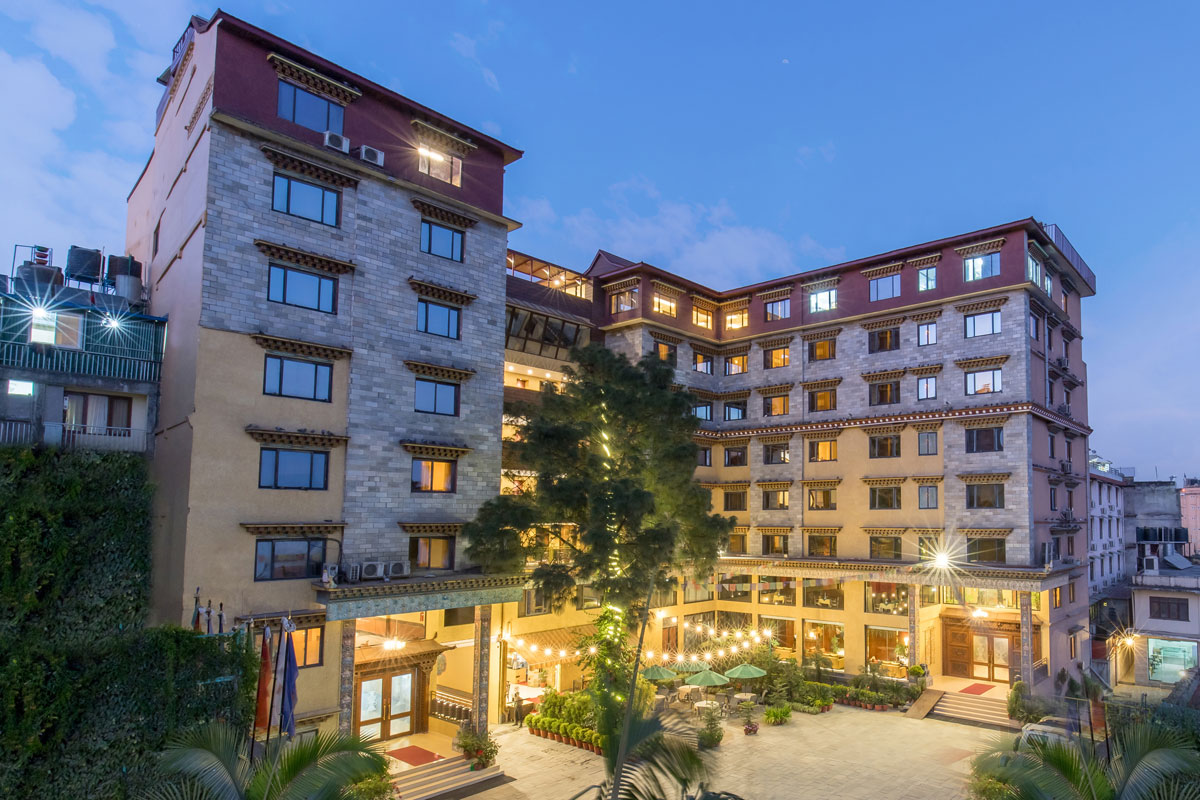
Hotel Tibet, a family-run boutique hotel that have blended traditional Tibetan designs with a touch of modern simplicity.
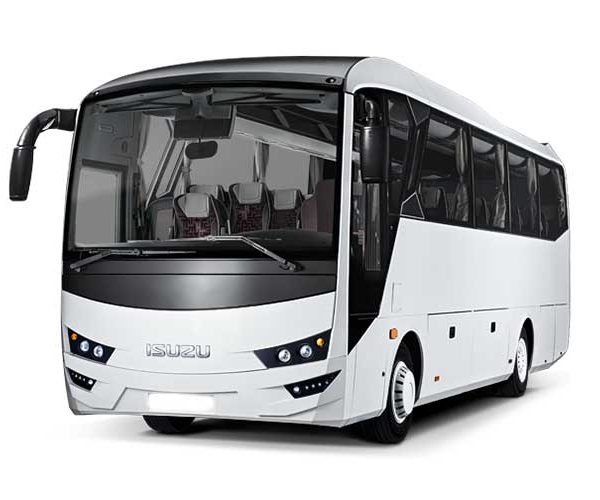
We provide professional Luxury Tourist Bus services designed for large groups, corporate retreats, and organized tours. Our fleet features modern, high-capacity buses equipped with comfortable reclining seats, full air conditioning, and wide windows for a premium sightseeing experience. With spacious under-carriage compartments for luggage and experienced drivers at the wheel, we ensure a safe, smooth, and relaxing journey on all major highways. Whether you are traveling across the city or across the country, our bus service offers the perfect blend of reliability, comfort, and affordability for your entire group.
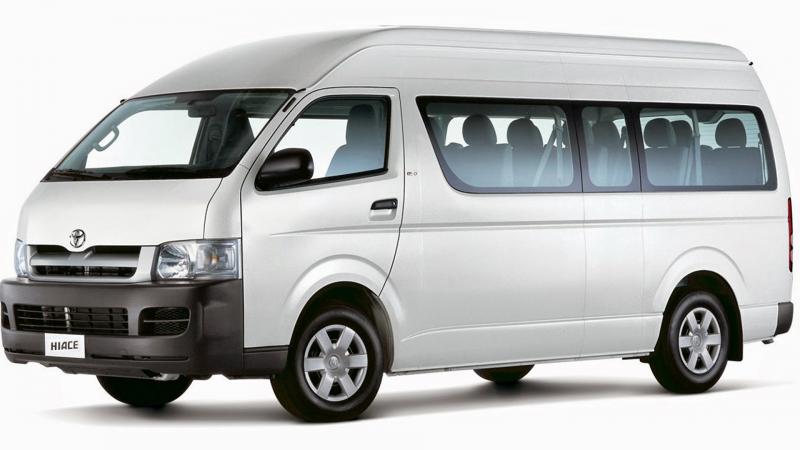
Our Toyota Hiace service offers the perfect balance of speed, comfort, and flexibility for medium-sized groups and families. Known for its reliability and agility, the "Jumbo" Hiace provides a fast and efficient way to reach your destination, easily navigating both smooth highways and narrower mountain roads. With a high-roof design for extra headroom, air-conditioned interiors, and a private "door-to-door" service, we ensure a premium travel experience that gets you there ahead of the crowd.

Our Mahindra Scorpio 4WD service offers the ultimate combination of power, durability, and rugged luxury for explorers and small groups. Engineered to conquer the demanding terrain of the Himalayas, the Scorpio provides a robust and dependable way to navigate steep inclines, unpaved tracks, and challenging weather conditions. With its high ground clearance, heavy-duty suspension, and powerful 4x4 capabilities, our private "door-to-trailhead" service ensures you reach your destination safely and comfortably, no matter how remote. Featuring an ergonomic cabin, climate control, and ample space for expedition gear, we deliver a high-performance travel experience designed to get you deep into the heart of the mountains where others cannot follow.
WhatsApp +9779841603796
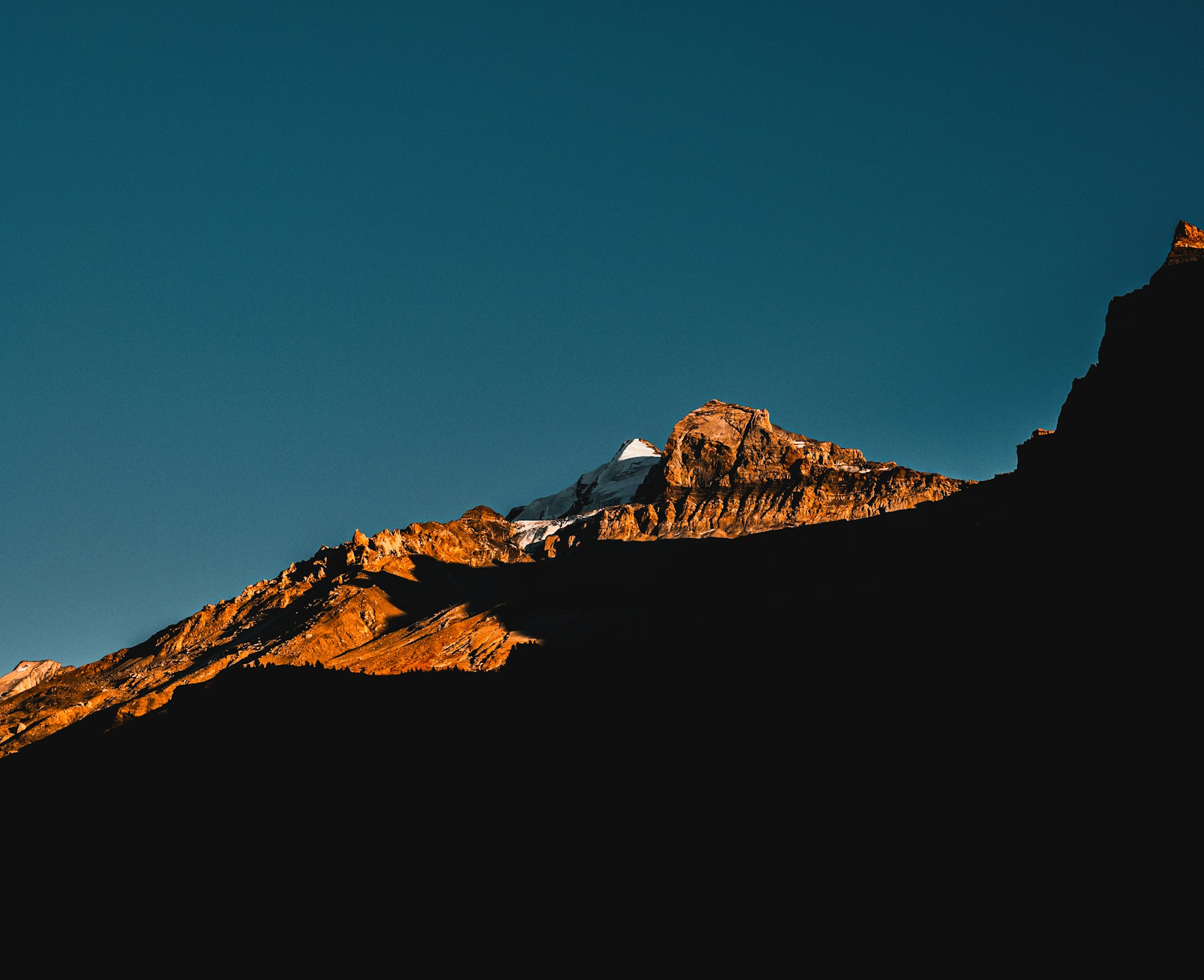
Mera Peak (6,476m) is one of Nepal’s most popular trekking peaks, offering both adventure...
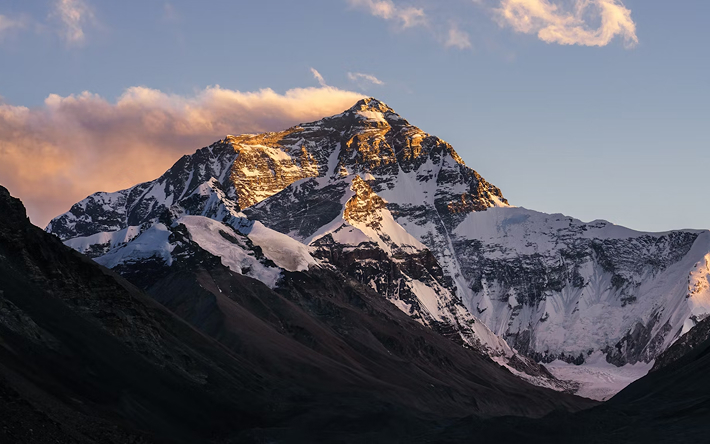
The Everest Base Camp trek is more than just a walk in the mountains...
From Everest Base Camp to hidden valleys of Mustang, let us design a journey that’s truly yours.
Start Planning My Trip