Hotel Tibet
Hotel Tibet, a family-run boutique hotel that have blended traditional Tibetan designs with a touch of modern simplicity.

Trekking and Hiking

Duration
17 Days Trip
Meals
16B, 15L, 16D
Start Point
Kathmandu
End Point
Kathmandu
Style
Guided Trekking Adventure
Max. Altitude
6,476m / 21,247 ft. (Mera Peak Summit)
Trip Grade
Moderate to Challenging
Trek Distance
~130 km round trip
Lodging
Teahouses (Mountain Lodges), Hotels in KathmanduMera Peak (6,476m) is one of Nepal’s most popular trekking peaks, offering both adventure and stunning Himalayan views. The climb is challenging but doesn’t require advanced technical skills, making it an excellent choice for trekkers with good fitness who want to experience a real Himalayan summit.
The journey begins with a short flight to Lukla and a trek through quiet valleys, rhododendron forests, and traditional villages in the Hinku Valley. Along the way, you’ll pass through places like Chutanga, Thuli Kharka, and Kothe before reaching Khare, which serves as the base for Mera Peak.
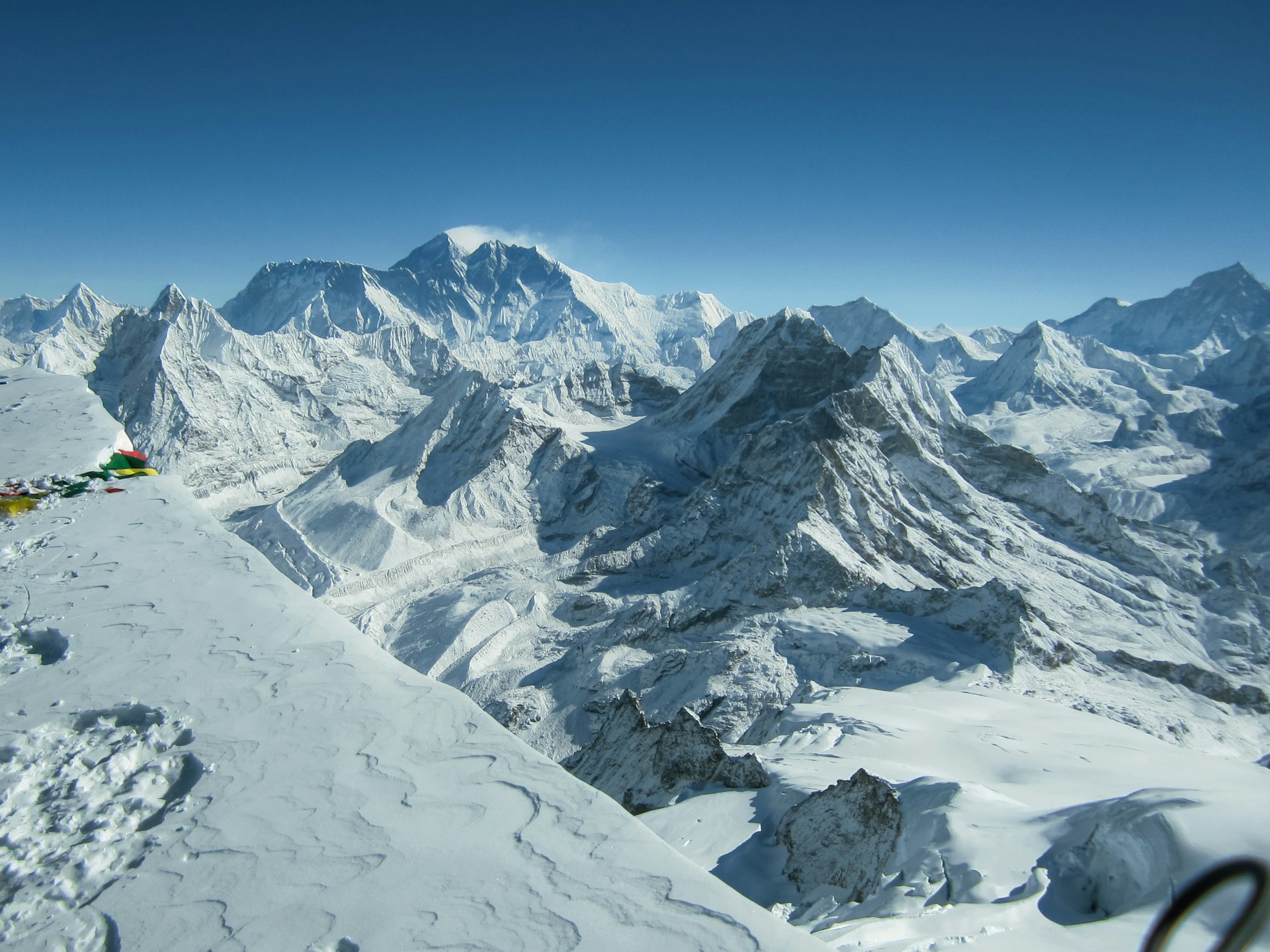
From Khare, you’ll spend time acclimatizing and learning basic climbing techniques. The climb to Mera High Camp is steady, and summit day starts early, with a slow and careful ascent over snow and ice. Standing on the summit is the highlight of the trip—on a clear day, you’ll see Everest, Makalu, Kanchenjunga, Cho Oyu, and Lhotse all in one sweeping view.
After the climb, the trail retraces back to Lukla, and a short flight returns you to Kathmandu. The adventure is a mix of cultural experiences, natural beauty, and the thrill of standing on one of Nepal’s highest trekking peaks.
You will arrive at the Tribhuwan International Airport, Kathmandu, Nepal. Once you arrive, our representative will be holding cards with your name to welcome you and drive you to the hotel.
Upon reaching the hotel, you will get refreshed and rest. Or you can explore Thamel, the liveliest area in Kathmandu. Also, ensure all the needed gear is ready.
Overnight in Kathmandu.
Early in the morning, you’ll take a short, scenic flight to Lukla, the gateway to the Khumbu region. Upon reaching Lukla, we will start the trek with a few hours of gentle walking through small villages, farmland, and pine forests. The walk isn’t very long today, giving you time to adjust to the altitude. By the afternoon, you’ll reach Chutanga.
Overnight in Chutanga.
Today is a tougher day as you climb steadily to cross the Zatrwa La Pass. The trail is uphill but offers expansive views of the Dudh Kosi valley and surrounding peaks. Once you reach the pass, the breathtaking view makes the effort worth it. A short descent leads you to Thuli Kharka, a pastureland surrounded by mountains.
Overnight in Thuli Kharka.
The trail descends through beautiful forests of rhododendron, pine, and oak. You’ll follow the Hinku River most of the way, enjoying the peaceful sound of the water and the greenery around you. The day is a mix of gentle ups and downs before you arrive at Kothe, a quiet village in the valley.
Overnight in Kothe.
Leaving Kothe behind, the trail goes deeper into the Hinku Valley. The landscape becomes more rugged, with open pastures and views of glaciers. You’ll pass through small summer settlements used by herders and continue toward Thangnak, a small but essential stop for trekkers.
Overnight in Thangnak.
This day is set aside for acclimatization. You’ll take short hikes around the valley to higher points and return to rest at Thangnak. Strolling and spending time here will help your body adjust to the higher altitude.
Overnight in Thangnak.
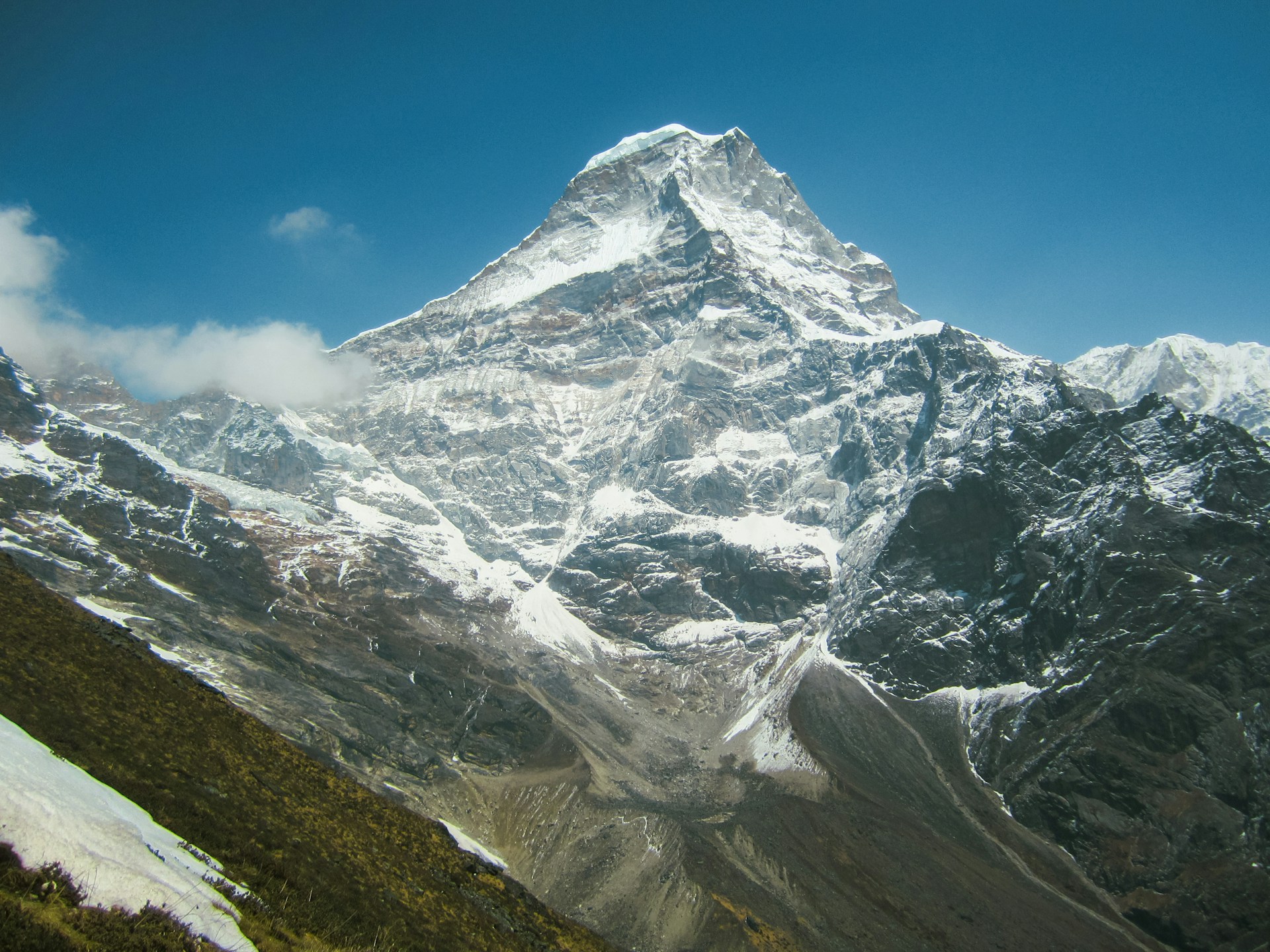
From Thangnak, the trail gradually climbs as you move closer to the mountains. The views get more dramatic, with Mera Peak appearing clearly ahead. After about 4 to 5 hours of walking, you’ll arrive in Khare, often known as the base camp area for Mera Peak.
Overnight in Khare.
Today you’ll spend another day at Khare to adjust to the altitude. Your guide will also provide you with basic training on how to use climbing equipment, including ropes, crampons, and ice axes. This training helps you feel confident for the summit climb.
Overnight at Khare.
The trail from Khare to high camp is steep and passes through rocky ridges and snowy sections. It is a challenging climb, but the views of Everest, Makalu, and other surrounding peaks keep you motivated. By the afternoon, you’ll reach Mera High Camp, where you will spend the night before the summit attempt.
Overnight in Mera High Camp.
This is the most important and exciting day of the journey. Starting early in the morning, you climb slowly with your guide toward the summit of Mera Peak. From the top, the views are unforgettable—you can see five of the world’s highest mountains. After enjoying the moment and taking photos, you carefully descend back to Khare for the night.
Overnight in Khare.
This day is kept as a backup in case of bad weather or other delays during the summit attempt. If not needed, you can spend it resting or exploring more around Khare.
Overnight in Khare.
You begin the return journey by following the same trail down the valley. The air feels thicker and warmer as you lose altitude, making the walk more comfortable. You’ll reach Kothe by late afternoon.
Overnight in Kothe.
The trail takes you through forests and along ridges once again. The walk is steady but more manageable than in the past, as you are now descending. By evening, you’ll be back at Thuli Kharka.
Overnight in Thuli Kharka.
You cross the Zatrwa La Pass once more and descend all the way to Lukla. This is your last trekking day, and you’ll celebrate the completion of your climb with your team.
Overnight in Lukla.
A short flight takes you back to Kathmandu. On a clear day, you’ll enjoy one final view of the Himalayan peaks from the plane. The rest of the day is free to relax at your hotel or walk around the city.
Overnight in Kathmandu.
This day is kept as a buffer in case of any flight delays from Lukla. If everything goes smoothly, you can use this day to rest, explore Kathmandu’s cultural sites, or do some shopping for souvenirs.
Overnight in Kathmandu.
This day is the day you left for your home.
If you want to do some last-minute shopping, you can do so after breakfast. We will ensure that you reach the airport 3 hours before the flight time.
We bid each other farewell, hoping to meet again.
Some important hints:
Clothing and accessories on trek
Other
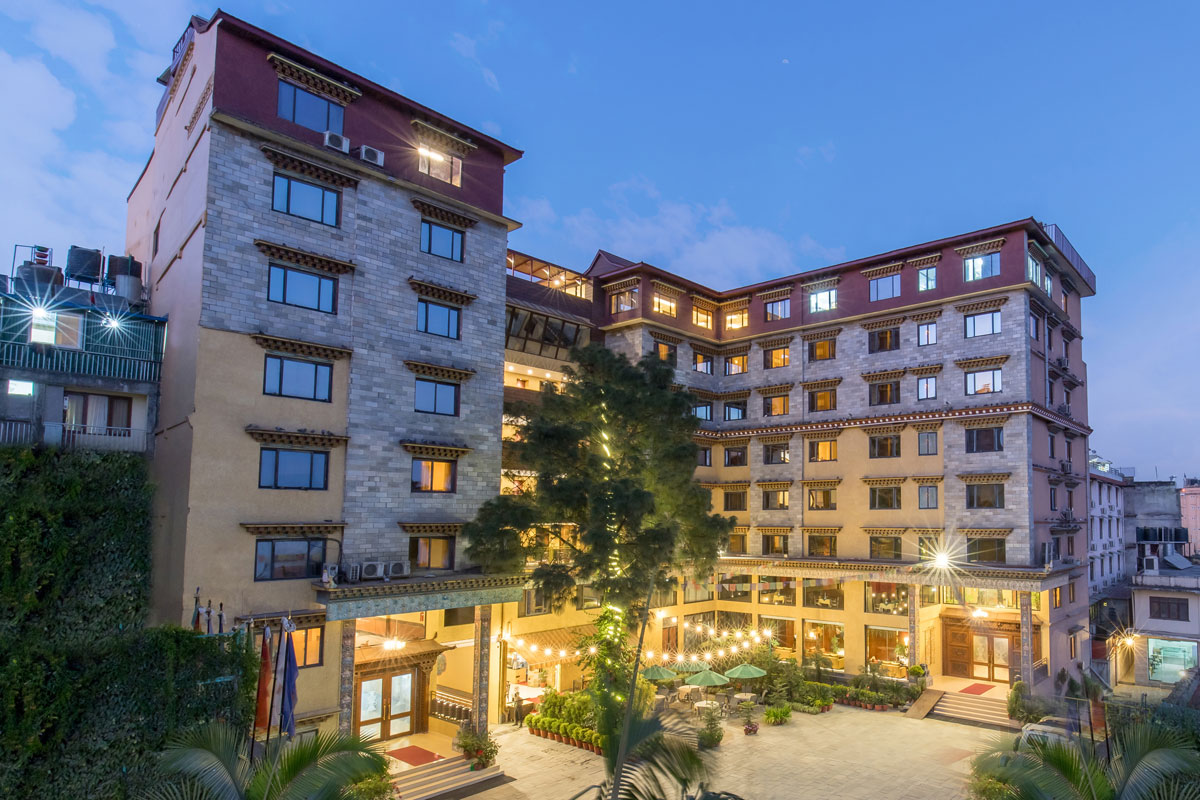
Hotel Tibet, a family-run boutique hotel that have blended traditional Tibetan designs with a touch of modern simplicity.
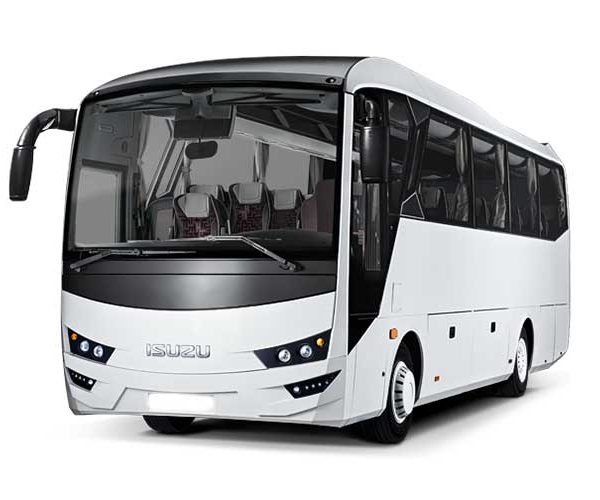
We provide professional Luxury Tourist Bus services designed for large groups, corporate retreats, and organized tours. Our fleet features modern, high-capacity buses equipped with comfortable reclining seats, full air conditioning, and wide windows for a premium sightseeing experience. With spacious under-carriage compartments for luggage and experienced drivers at the wheel, we ensure a safe, smooth, and relaxing journey on all major highways. Whether you are traveling across the city or across the country, our bus service offers the perfect blend of reliability, comfort, and affordability for your entire group.
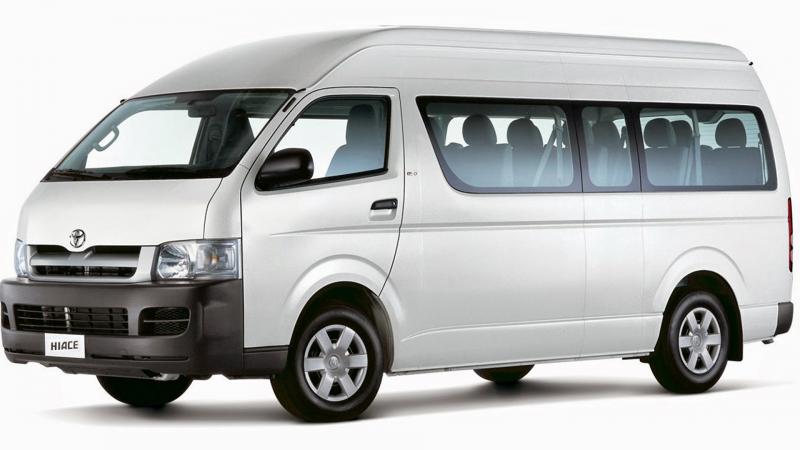
Our Toyota Hiace service offers the perfect balance of speed, comfort, and flexibility for medium-sized groups and families. Known for its reliability and agility, the "Jumbo" Hiace provides a fast and efficient way to reach your destination, easily navigating both smooth highways and narrower mountain roads. With a high-roof design for extra headroom, air-conditioned interiors, and a private "door-to-door" service, we ensure a premium travel experience that gets you there ahead of the crowd.
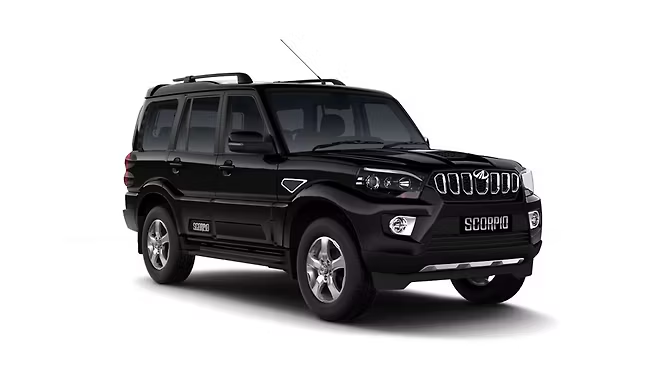
Our Mahindra Scorpio 4WD service offers the ultimate combination of power, durability, and rugged luxury for explorers and small groups. Engineered to conquer the demanding terrain of the Himalayas, the Scorpio provides a robust and dependable way to navigate steep inclines, unpaved tracks, and challenging weather conditions. With its high ground clearance, heavy-duty suspension, and powerful 4x4 capabilities, our private "door-to-trailhead" service ensures you reach your destination safely and comfortably, no matter how remote. Featuring an ergonomic cabin, climate control, and ample space for expedition gear, we deliver a high-performance travel experience designed to get you deep into the heart of the mountains where others cannot follow.
Mera Peak is rated moderate to challenging. While technically easier than other peaks, you still face:
Accommodation includes:
Yes. Nepal requires licensed mountain guides for all trekking and climbing peaks. Guides ensure safety, rope fixing, navigation, and emergency support.
WhatsApp +9779841603796
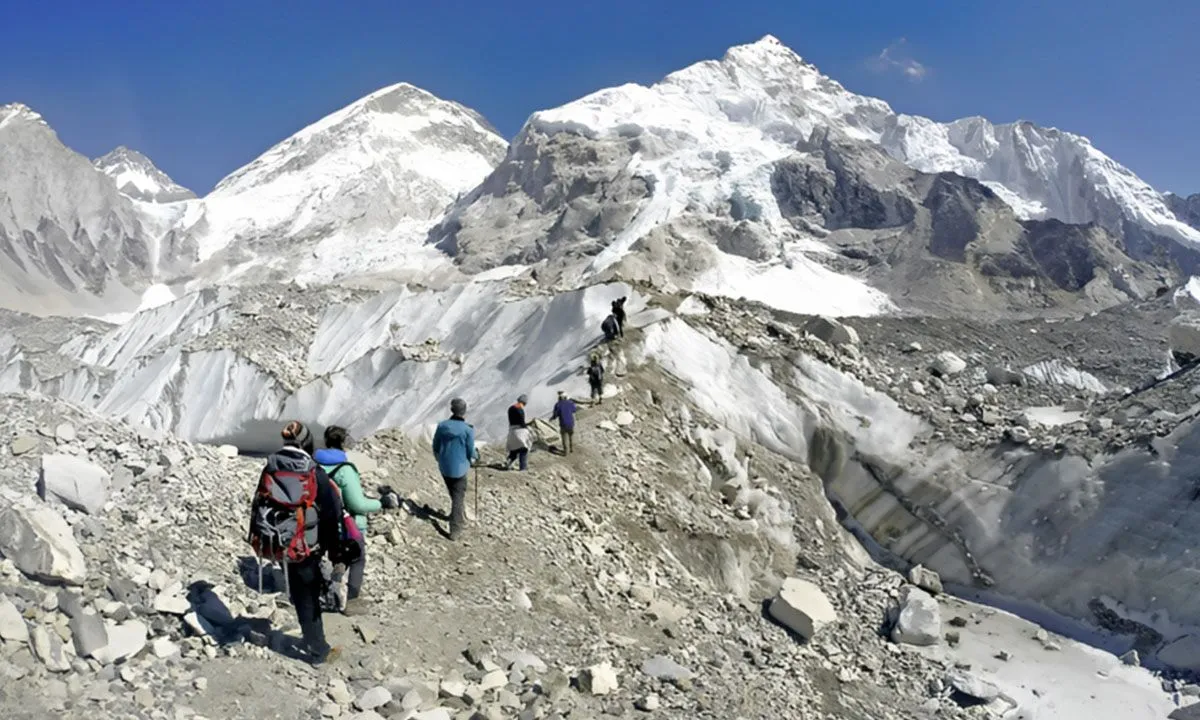
The Everest Gokyo – Cho La Pass – EBC Trek is one of the...
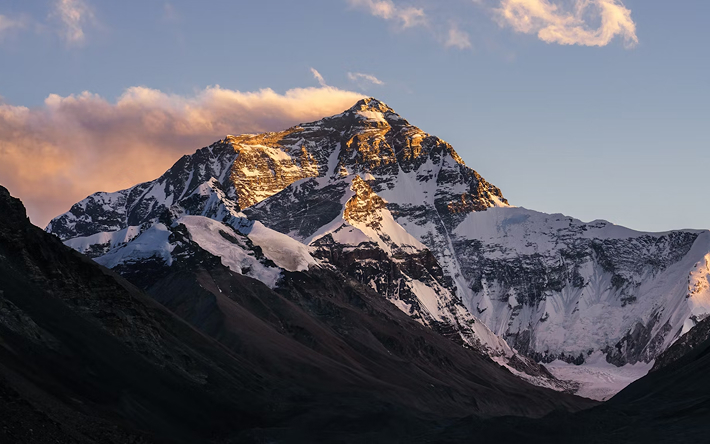
The Everest Base Camp trek is more than just a walk in the mountains...
From Everest Base Camp to hidden valleys of Mustang, let us design a journey that’s truly yours.
Start Planning My Trip