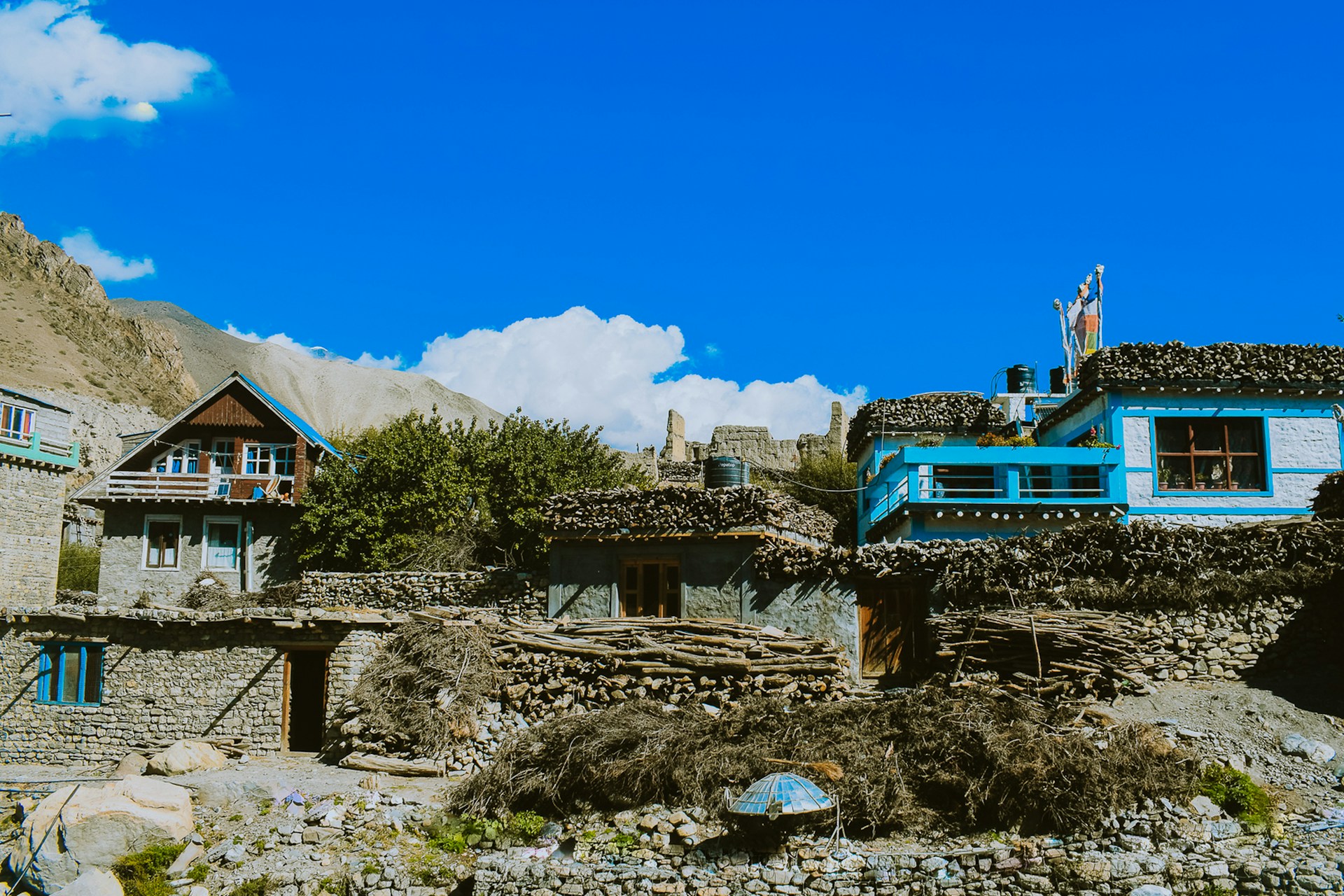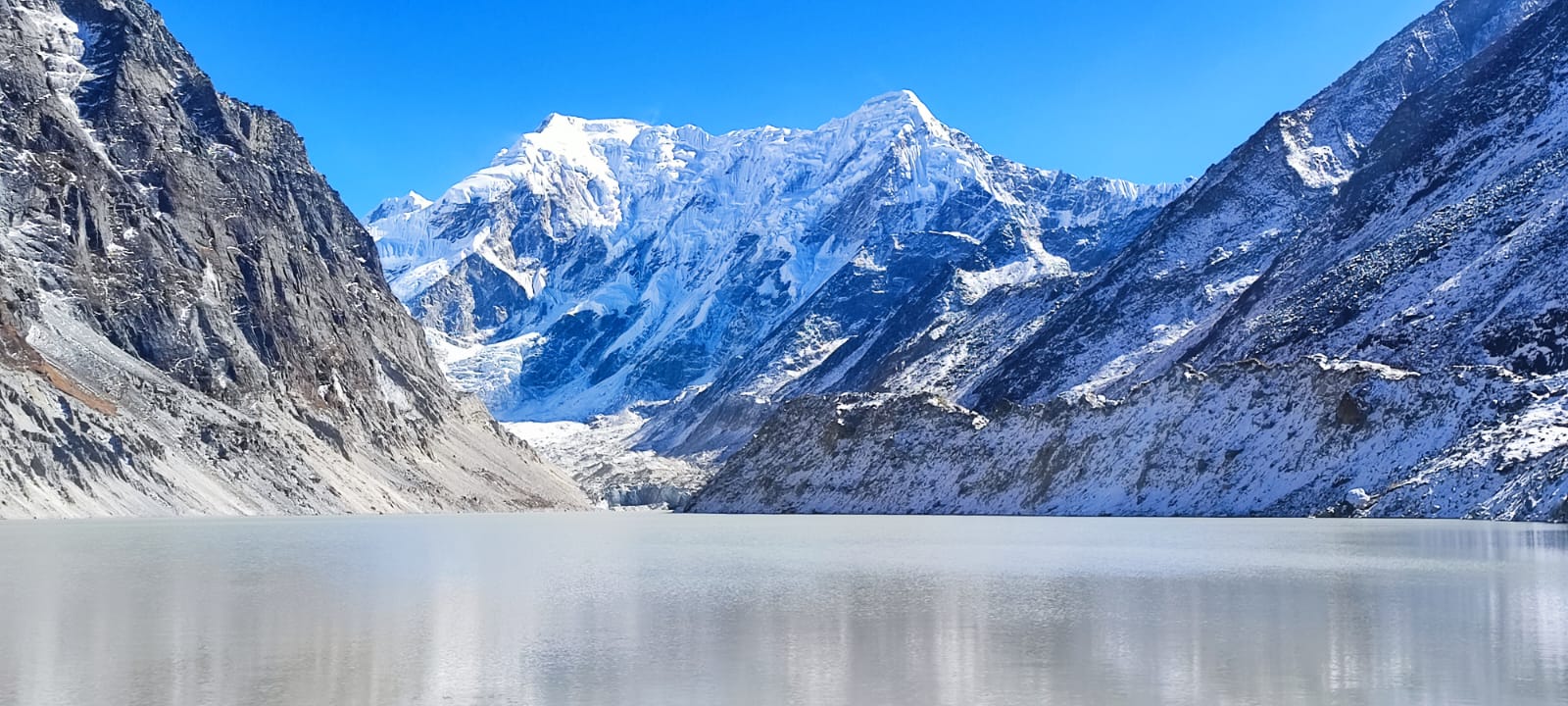
Rolwaling is a remote and rugged Himalayan valley in northeastern Nepal, situated within the Dolakha District along the border with Tibet. Known as a “Beyul,” or one of the seven sacred “hidden valleys” in Buddhist mythology, it is believed to have been blessed by Guru Rinpoche as a sanctuary for his followers. The region remains largely untouched by modern commercialization, offering a raw and authentic experience of high-altitude life that is distinct from more popular trekking hubs like Everest or Annapurna.
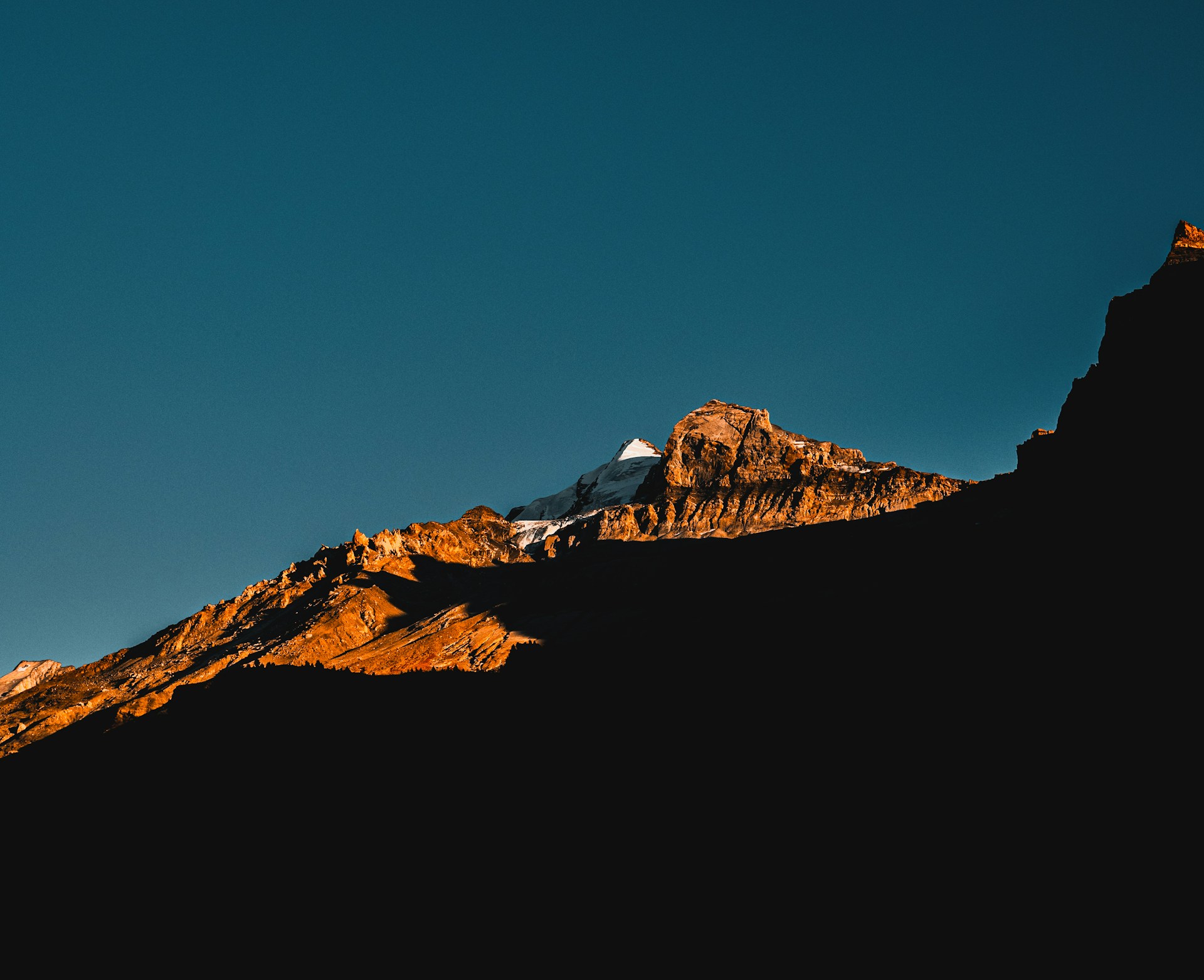
The landscape of Rolwaling is dominated by the majestic Gaurishankar (7,134 m), a dual-summit peak that holds deep religious significance for both Hindus and Buddhists, representing the deities Shiva and Parvati. At the heart of the valley lies Tsho Rolpa, one of Nepal’s largest glacial lakes, situated at an altitude of 4,580 meters. The valley’s geography is famously steep and narrow, leading to its local name, which translates to “the valley carved by a plough”.
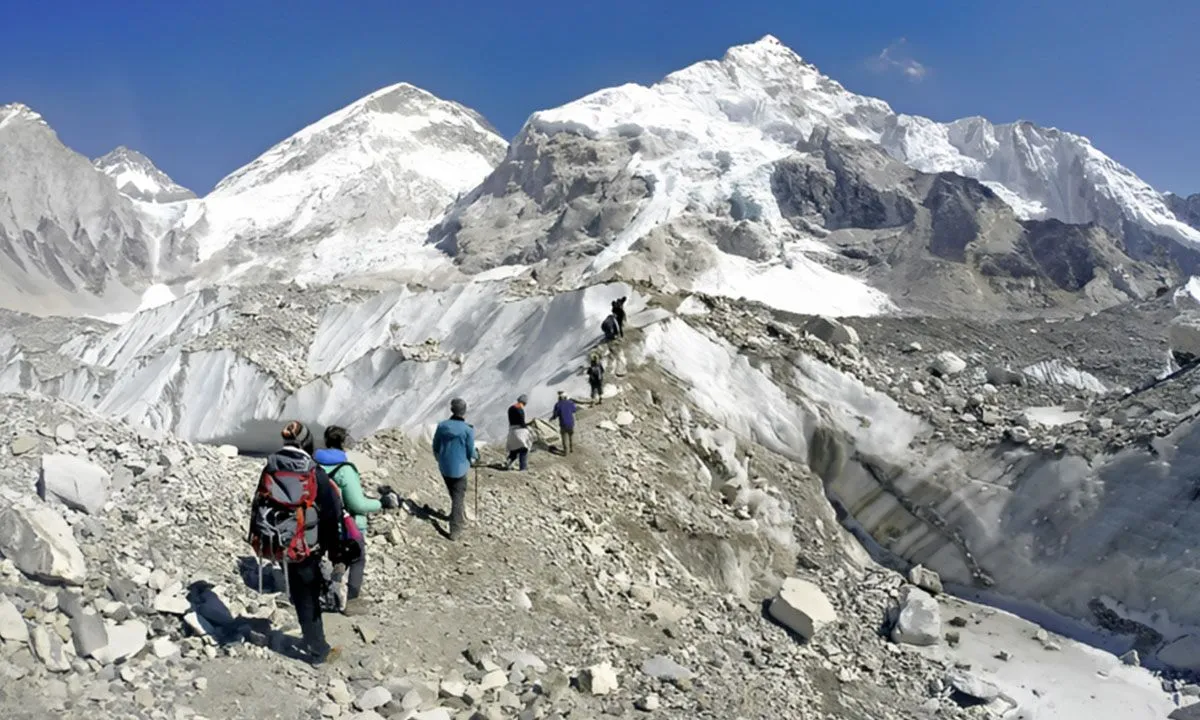
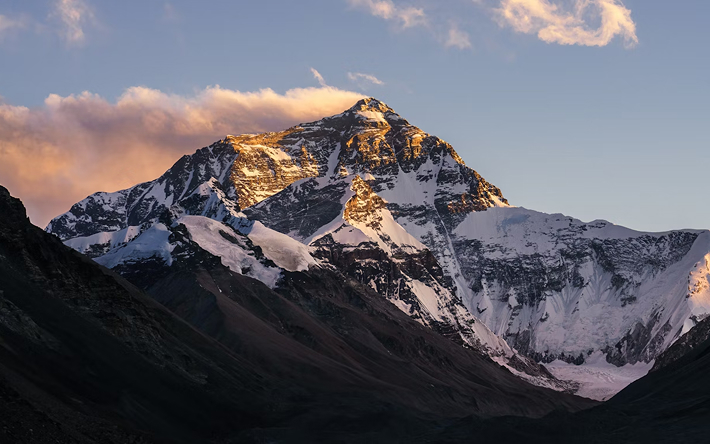
The valley is primarily inhabited by the Sherpa and Tamang people, whose lifestyles are deeply tied to the land through yak herding and high-altitude farming. The village of Beding is renowned as the “home of the summiteers,” as nearly every household boasts a resident who has successfully scaled Mount Everest. Culturally, the region is a “no-kill zone,” where ancient spiritual laws prohibit the slaughter of animals, preserving a peaceful coexistence with local wildlife like snow leopards and red pandas. For adventurers, trekking in Rolwaling is a moderately strenuous endeavor that rewards visitors with unmatched solitude. The trail follows the Tamakoshi River and winds through lush rhododendron forests before ascending into the stark, alpine beauty of Na Gaon. More experienced mountaineers often continue beyond Tsho Rolpa to cross the challenging Tashi Lapcha Pass (5,755 m), which provides a high-altitude bridge into the Khumbu region of Everest.